
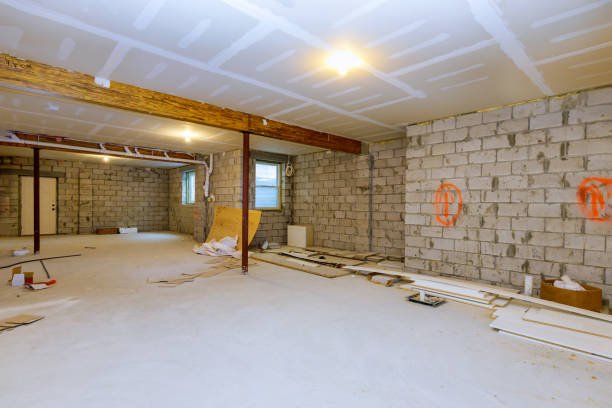
Reliable Basement Remodeling Service in New Canaan, CT
A dependable basement protects your home from rain, wind, snow, moisture, and changing seasonal conditions. Over time, shingles, flashing, underlayment, ventilation components, and other Basementing materials naturally experience wear that can reduce the system’s ability to protect the structure below. Investing in Reliable Basement Remodeling Service allows homeowners to address aging materials before recurring leaks or widespread deterioration create larger repair problems. Homeowners in New Canaan, CT and Hartford County, CT should understand the warning signs of Basement failure, the importance of proper material selection, and how professional installation affects long-term performance. D-Core Construction LLC provides Basementing and remodeling solutions designed to support durable residential improvements.
Basement replacement involves more than removing old shingles and installing new ones. A complete Basementing project should consider the Basement deck, underlayment, flashing, ventilation, drainage, penetrations, and structural condition. Understanding these components helps homeowners make informed decisions and recognize why careful preparation is essential for a successful project.
Why Basement Replacement Requires Careful Planning
A Basementing system contains several layers that work together to keep weather and moisture outside the home. Replacing only the visible surface without evaluating what lies underneath can leave existing problems unresolved.
Look Beyond the Shingles
Trusted Basement Remodeling Service should begin with an evaluation of the existing Basement and surrounding components.
Important areas to review include:
- Shingle condition
- Basement decking
- Underlayment
- Flashing
- Basement penetrations
- Ventilation
- Valleys
- Gutters and drainage
- Structural conditions
An inspection helps determine whether deterioration is limited to the Basementing material or whether additional areas require attention.
For example, a leak around a chimney may involve flashing rather than widespread shingle failure. In another home, repeated leaks across several sections could indicate that the Basementing system is approaching the end of its useful condition.
Understanding the source of the problem prevents homeowners from making decisions based only on what is visible from the ground.
Common Signs an Aging Basement Needs Attention
Basementing problems often develop gradually. Homeowners who recognize early warning signs can schedule an evaluation before water begins affecting ceilings, insulation, walls, or other interior materials.
Watch for Changes Inside and Outside the Home
Common Basementing warning signs include:
- Missing or damaged shingles
- Shingles curling or lifting
- Granule loss
- Water stains on ceilings
- Moisture in attic areas
- Damaged flashing
- Repeated Basement leaks
- Sagging sections
- Visible deterioration around Basement penetrations
One damaged shingle does not automatically mean the entire basement needs replacement.
Localized problems can sometimes be repaired when the surrounding basement remains in good condition. However, repeated failures across several areas may indicate that continuing individual repairs is becoming less practical.
Homeowners should also pay attention after strong storms because wind, falling branches, and heavy precipitation can expose weaknesses that were not previously obvious.
Basement Replacement Contractors in New Canaan, CT
Every property has different Basement dimensions, slopes, architectural details, and exposure conditions. These factors should influence how replacement work is planned.
Basement Replacement Contractors in New Canaan, CT
Working with experienced Basement Replacement Contractors in New Canaan, CT gives homeowners an opportunity to evaluate the complete Basementing system before choosing materials or determining the project scope.
Important planning considerations include:
- Basement size
- Basement pitch
- Existing material
- Number of valleys
- Chimneys and vents
- Skylights
- Drainage
- Attic ventilation
- Condition of the Basement deck
Complex Basement designs may require additional attention around valleys, intersections, and penetrations because these areas often experience concentrated water flow.
The Basementing system should also coordinate with the home’s architecture. Material color, profile, and visible flashing details can influence the overall exterior appearance.
Planning these details before installation creates a more organized project and reduces unexpected decisions once the old Basementing material has been removed.
Why Basementing Underlayment Matters
Shingles form the visible surface of most residential Basements, but underlayment provides an additional layer beneath them.
Hidden Basementing Components Support Weather Protection
Underlayment sits between the Basement deck and the finished Basementing material. Its role becomes especially important where wind-driven rain or moisture reaches beneath the outer surface.
During Basement replacement, contractors can inspect areas that were previously hidden.
Potential concerns may include:
- Moisture-damaged decking
- Deteriorated materials
- Previous repair patches
- Improper installation
- Weak areas around penetrations
Any damaged structural surface should be addressed before new Basementing material is installed.
Installing new shingles over an unsuitable base may create a good appearance temporarily while leaving underlying weaknesses unresolved.
This is one reason complete Basement replacement should be viewed as a system-level project rather than a cosmetic improvement.
Flashing Helps Protect Vulnerable Basement Areas
Flashing is commonly installed where basementing surfaces meet walls, chimneys, vents, valleys, and other penetrations.
Small Details Can Prevent Large Moisture Problems
These areas require careful attention because water naturally travels toward joints and transitions.
Flashing problems may develop from:
- Age
- Corrosion
- Loose materials
- Previous repairs
- Improper installation
- Movement around Basement components
A Basementing project should inspect existing flashing rather than automatically assuming it can remain in place.
Leaks around chimneys or vents may sometimes be traced to flashing problems even when nearby shingles still appear acceptable.
Correct installation around these transition areas helps water move across the Basement and toward drainage points instead of entering beneath Basementing materials.
Choosing Basementing Materials for Long-Term Performance
Homeowners often begin material selection by focusing on color, but appearance is only one consideration.
Match Basementing Materials to the Home
When comparing Basementing options, consider:
- Expected durability
- Manufacturer requirements
- Basement slope
- Maintenance
- Exterior appearance
- Local weather exposure
- Installation requirements
The material should also work with the Basement’s existing design and structural conditions.
Homeowners should avoid choosing Basementing solely because it has the lowest initial cost. A Basementing system is expected to remain exposed to changing weather for many years, making installation quality and material suitability important considerations.
Color should coordinate with siding, trim, masonry, and other exterior features so the completed Basement looks like part of the home’s overall design.
Residential Basementing Services in Hartford County, CT
Connecticut homes experience seasonal temperature changes, precipitation, snow, wind, and freeze-thaw conditions that place ongoing demands on Basementing systems.
Residential Basementing Services in Hartford County, CT
Professional Residential Basementing Services in Hartford County, CT can help homeowners evaluate aging Basementing systems before seasonal weather exposes existing weaknesses.
Homeowners should consider professional inspection when they notice:
- Recurring leaks
- Missing Basementing material
- Storm-related damage
- Aging shingles
- Moisture staining
- Damaged flashing
- Visible Basement movement
The objective is to determine whether repair remains practical or whether broader replacement would provide a more complete solution.
Older Basements often contain repairs completed at different times. Eventually, continuing to patch isolated sections can become less efficient when several areas begin showing similar deterioration.
Evaluating the overall condition makes it easier to plan the next step based on the entire system.
Basement Repair or Replacement: How to Decide
Homeowners frequently wonder whether a damaged Basement can be repaired instead of replaced.
Consider the Overall Condition, Not One Problem
Repair may make sense when damage is localized and the majority of the Basementing system remains in good condition.
Replacement may deserve consideration when:
- Problems occur across multiple areas
- Repairs are becoming frequent
- Basementing materials show widespread deterioration
- Leaks repeatedly return
- The Basement deck has broader concerns
- Several Basementing components need simultaneous work
The Basement’s age can provide useful context, but age alone should not determine the decision.
Two Basements installed at the same time can age differently depending on material quality, installation, exposure, ventilation, tree coverage, maintenance, and storm history.
A condition-based evaluation provides better information than relying solely on a calendar estimate.
Why Basement Deck Inspection Is Important
The Basement deck creates the structural surface beneath underlayment and shingles.
Replacement Exposes Areas Normally Hidden
Once old Basementing material is removed, contractors can evaluate the deck more directly.
Possible warning signs include:
- Soft areas
- Moisture damage
- Deteriorated sections
- Previous patching
- Loose materials
Installing new Basementing over damaged decking can affect the stability of the finished system.
When problems are discovered, affected sections can be evaluated before new Basementing layers cover them again.
This inspection stage is one of the most important advantages of a complete tear-off project because it reveals conditions homeowners cannot normally see.
Basementing Around Home Additions
Basementing becomes particularly important when homeowners expand their existing property.
New and Existing Basement Sections Must Work Together
Home additions may introduce:
- New Basement slopes
- Valleys
- Basement-to-wall intersections
- Additional drainage areas
- New flashing locations
- Changes to ventilation
The new Basement should integrate naturally with the original structure.
Improper transitions between old and new Basementing areas can create vulnerable locations where water may collect or enter.
Planning structural and Basementing work together allows contractors to consider drainage, material matching, flashing, and long-term performance before the new addition is enclosed.
This coordinated approach is especially useful when a larger remodeling project involves several trades at once.
Preparing Your Property for Basement Replacement
Basement replacement creates temporary noise, material movement, and activity around the exterior of the home.
Simple Preparation Makes the Project Easier
Before work begins, homeowners can:
- Move vehicles away from work areas
- Protect outdoor furniture
- Secure fragile wall decorations indoors
- Clear items near the home’s perimeter
- Keep pets away from active work zones
- Discuss access areas with the contractor
Basementing work can create vibration throughout parts of the structure, so fragile items attached to walls may be worth moving temporarily.
Homeowners should also discuss how materials will be delivered and where removed Basementing debris will be collected.
Knowing these details beforehand makes it easier to prepare the property and maintain safe access during construction.
Why Gutters and Drainage Should Be Reviewed
Basementing and gutter systems work together to move water away from the structure.
A New Basement Still Needs Effective Drainage
During replacement, homeowners should inspect:
- Gutter attachment
- Downspout locations
- Water flow
- Basement edges
- Fascia condition
Water leaving the Basement should have a clear path into the drainage system.
Clogged, damaged, or poorly positioned gutters can allow water to overflow along the Basementline or collect near other exterior surfaces.
Even when gutters do not require replacement, checking their condition during Basementing work can reveal maintenance concerns that should be addressed.
Coordinating drainage with Basementing helps protect the overall exterior system.
Maintaining Your New Basement
A newly installed Basementing system still benefits from periodic observation and maintenance.
Catch Small Problems Early
Homeowners should periodically:
- Check the Basement after severe storms
- Keep gutters clear
- Monitor ceilings for stains
- Watch for missing materials
- Trim problematic branches when appropriate
- Inspect visible flashing from safe locations
- Schedule professional inspections when concerns appear
Homeowners should avoid walking on Basements unless they are trained and equipped to do so safely.
Many visible conditions can be monitored from the ground, while professional inspections can evaluate areas that are difficult or unsafe to access.
Routine attention makes it easier to address isolated issues before they develop into more extensive Basementing problems.
Conclusion
Basement replacement is a major exterior improvement that affects much more than the visible appearance of a home. Shingles, underlayment, flashing, decking, ventilation, drainage, and structural details must work together to create a dependable Basementing system.
Homeowners should watch for recurring leaks, damaged shingles, flashing deterioration, moisture stains, and other changes rather than waiting for a major failure. A professional evaluation can help determine whether localized repair remains appropriate or whether complete replacement provides a better long-term solution.
Whether you are considering Residential Basementing Services in Hartford County, CT careful inspection and proper planning should come first. Choosing suitable materials, correcting underlying problems, and paying attention to hidden Basementing components can help create a stronger system designed to protect the home through Connecticut’s changing seasons.
FAQs
What are the main signs that a Basement may need replacement?
Recurring leaks, widespread shingle deterioration, missing materials, damaged flashing, moisture stains, sagging areas, and repeated repair needs can indicate that a professional Basement evaluation is necessary.
Can only part of a damaged basement be repaired?
Yes. Localized damage can sometimes be repaired when the surrounding Basementing system remains in good condition. Widespread deterioration may make full replacement more practical.
Why is the basement decking inspected during replacement?
Removing old Basementing materials exposes the underlying deck, allowing damaged, soft, or moisture-affected sections to be identified before new materials are installed.
Why is Basement ventilation important?
Proper ventilation helps manage attic heat and moisture conditions and works with insulation and other Basementing components to support overall system performance.
Should gutters be checked during a basement replacement?
Yes. Gutters and downspouts help move Basement runoff away from the structure, so their condition, attachment, and drainage should be reviewed during major Basementing work.