
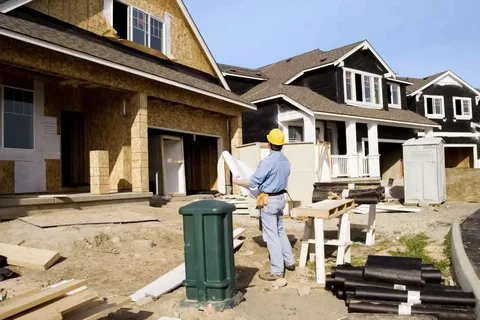
Professional Home Addition Contractors in Avon, CT
Plan your home upgrade with Home addition contractors who provide design, planning, and remodeling insights for properties in Avon and Simsbury, CT.
A growing family, changing lifestyle, or need for additional space can make homeowners consider expanding their existing property. A well-planned addition can create more functional living areas without requiring a move. D-core Construction helps homeowners understand the planning, design, and construction considerations involved in adding space to their homes. Many homeowners researching Home addition contractors want to know how additions are designed, what steps are involved, and what factors affect the final result.
A home addition is more than building extra square footage. It requires careful planning around the existing structure, property layout, materials, permits, and how the new space connects with the rest of the home.
For homeowners in Avon, CT and Simsbury, CT, understanding home addition planning, remodeling options, design choices, and common mistakes can help create a smoother construction process.
Why Homeowners Choose Home Additions
A home addition can provide solutions when existing spaces no longer meet household needs. Instead of changing locations, many homeowners explore ways to improve their current property.
Common reasons for adding space include:
Creating an additional bedroom for a growing family, expanding living areas for better comfort, building a dedicated home office, adding storage space, or improving the overall function of the home.
A well-designed addition should support the homeowner’s current needs while also considering future use.
Understanding Home Addition Contractors
How Home Addition Contractors Plan New Living Spaces
Home addition contractors in Avon, CT help manage the different stages involved in expanding a property. A successful addition requires coordination between design, structural planning, materials, and construction details.
The process often begins with understanding how homeowners want to use the new space.
Evaluating the Existing Home
Before construction begins, the current property should be reviewed. The existing structure, available space, and connection points all influence the addition plan.
Important considerations include:
- Existing floor layout
- Foundation conditions
- Roof design
- Exterior materials
- Electrical and plumbing systems
- Available yard space
- Local building requirements
This evaluation helps determine how the new addition can integrate with the current home.
Planning the Addition Design
Every home addition has different requirements. A good design should consider both appearance and functionality.
Design decisions may include:
The size of the new space, room placement, natural lighting, storage options, access points, and how the addition connects with existing rooms.
Home Addition Remodeling Options
Home addition remodeling can involve different types of expansions depending on the homeowner’s goals.
Bedroom Additions
Extra bedrooms can provide more comfort for growing households or create guest accommodations.
Family Room Expansions
Additional living space can improve daily activities by creating areas for relaxation, entertainment, or family gatherings.
Home Office Additions
Many homeowners need dedicated work areas separate from common living spaces.
Kitchen and Dining Expansions
Expanding kitchen areas can improve movement, storage, and overall functionality.
Garage or Storage Additions
Additional storage areas can help organize belongings while improving the usability of the property.
The best option depends on the home’s layout and the homeowner’s long-term plans.
Home Addition Design Services and Planning
Home addition design services in Simsbury, CT help homeowners think through the details before construction begins.
A complete design process may consider:
The relationship between new and existing spaces, exterior appearance, room dimensions, lighting placement, material choices, and daily movement patterns.
Good planning helps reduce unexpected changes during construction.
A design should also consider how the addition will look from outside the home. Matching rooflines, siding, windows, and architectural details can help create a more connected appearance.
Comparing Home Addition and Moving
| Factor | Home Addition | Moving |
| Location | Stay in the current neighborhood | Requires a new property |
| Customization | Designed around specific needs | Limited by available homes |
| Space Changes | Adds targeted areas | Changes the entire property |
| Planning | Requires construction preparation | Requires buying and relocation steps |
| Long-Term Use | Can improve current home function | Depends on new home selection |
The right choice depends on personal goals, budget, and future plans.
Common Home Addition Mistakes
Starting Without Clear Goals
A lack of planning can create design changes, delays, and unnecessary adjustments during construction.
Ignoring How the Addition Connects to the Home
The new space should feel connected to the existing property rather than appearing separate.
Overlooking Structural Requirements
Foundation, framing, roofing, and utility connections require careful consideration before construction.
Choosing Designs Without Future Needs
Homeowners should consider how their needs may change over time.
Focusing Only on Size
Adding more space does not always improve functionality. The layout and purpose of the addition matter just as much.
Best Practices for Home Addition Projects
Homeowners can improve their addition projects by focusing on:
Clear planning before construction begins, realistic expectations, suitable materials, proper communication, and attention to details that affect long-term use.
It is also helpful to consider maintenance requirements, energy efficiency, and how the new space fits the overall property.
Actionable Tips Before Starting a Home Addition
Before beginning an addition project, homeowners should:
Understand why they need additional space, identify priority features, review the existing home layout, consider future needs, and prepare questions about the design and construction process.
Thinking through these details early can help create a more organized project.
Factors That Affect Home Addition Results
Several factors influence the outcome of a home addition:
- Project size
- Design complexity
- Existing home condition
- Material selection
- Site conditions
- Local requirements
- Utility connections
- Construction planning
Each property presents different challenges, so the approach should match the specific home.
Conclusion
A successful home expansion requires careful design, proper planning, and attention to how new spaces connect with the existing property. Home addition contractors help homeowners understand the steps involved in creating functional additions that support their lifestyle and property goals.
For homeowners in Avon, CT and Simsbury, CT, understanding Home addition remodeling and Home addition design services can make the planning process easier. D-core Construction helps homeowners approach additional projects with practical attention to design, structure, materials, and long-term functionality.
FAQ
What do Home addition contractors do?
Home addition contractors help manage planning, construction coordination, material decisions, structural considerations, and other steps involved in expanding a home.
What types of home additions can be built?
Common additions include bedrooms, family rooms, offices, kitchen expansions, dining areas, garages, and storage spaces.
What are Home addition design services?
Home addition design services involve planning the layout, appearance, room placement, materials, and connection between the new space and the existing home.
How long does a home addition project take?
The timeline depends on project size, design complexity, materials, approvals, weather conditions, and construction requirements.
Is a home addition better than moving?
A home addition allows homeowners to improve their current property and stay in their preferred location, while moving involves selecting and relocating to another home. The best option depends on individual goals and circumstances.