
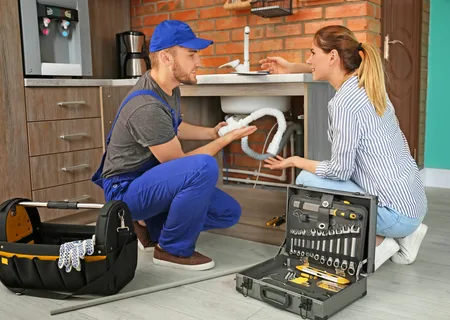
Plumbing problems can disrupt everyday life, from a dripping faucet to a clogged drain or a water heater that suddenly stops working. Even minor issues can become expensive when homeowners ignore them for too long. Therefore, understanding your plumbing system and recognizing early warning signs can help you protect your home and avoid unnecessary repairs. Homeowners in Westport, CT, experience different plumbing concerns depending on their property’s age, pipe materials, water usage, and maintenance history. Seasonal temperature changes can also increase the risk of frozen pipes and water supply problems.
Choosing reliable plumbing support helps homeowners address these concerns before they develop into larger issues. A professional can inspect the affected area, identify the underlying cause, and recommend practical solutions based on the property’s needs. Additionally, regular maintenance can improve water efficiency and help extend the life of plumbing fixtures. D-core Construction understands the importance of maintaining a safe, functional home through informed construction and repair decisions.
Whether you are dealing with a slow drain, inconsistent water pressure, or an aging plumbing fixture, knowing what to look for makes a difference. This guide explains common plumbing problems, preventive maintenance practices, repair considerations, and ways to choose a qualified professional. It also explores how homeowners in Westport and Newington, CT, can make informed decisions about their residential plumbing needs.
Common Plumbing Problems Homeowners Should Recognize
Plumbing systems include supply pipes, drain lines, fixtures, valves, and appliances that work together every day. When one component develops a problem, it can affect other parts of the system. Recognizing common warning signs helps homeowners respond before damage spreads.
Understanding Early Warning Signs
A dripping faucet may seem harmless, but persistent leaks waste water and can indicate worn washers, damaged cartridges, or faulty connections. Similarly, a running toilet can increase water consumption without providing any additional benefit.
Slow drains often result from soap residue, hair, grease, or other debris. However, recurring blockages may indicate a deeper problem inside the drain line. Gurgling sounds, unpleasant odors, and water backing up into nearby fixtures deserve closer attention.
Low water pressure also requires investigation. Mineral buildup, partially closed valves, leaking pipes, or supply problems can affect water flow. Consequently, homeowners should pay attention when pressure changes suddenly or affects several fixtures at once.
Water stains on ceilings, bubbling paint, damp cabinets, and musty smells may point to hidden moisture. These signs deserve prompt attention because prolonged leaks can damage flooring, drywall, and structural materials.
Homeowners seeking expert plumbing assistance should describe the symptoms clearly. Mention when the problem started, which fixtures it affects, and whether it occurs regularly. This information helps a professional narrow down possible causes.
Furthermore, homeowners should know where the main water shutoff valve is located. Turning off the supply during a significant leak can limit water damage while help is arranged. If water reaches electrical equipment, avoid the affected area and contact qualified professionals.
Keeping Your Plumbing System in Good Condition
Preventive maintenance helps homeowners identify developing problems before they interrupt daily routines. Although no plumbing system lasts forever without repairs, consistent care can reduce avoidable wear and improve reliability.
Practical Maintenance Tips for Better Performance
Reliable plumbing service maintenance begins with simple habits. Homeowners do not need specialized equipment to notice many early warning signs or protect their fixtures from everyday damage.
Here are five practical steps to consider:
- Inspect visible pipes: Check under sinks and around exposed connections for moisture, corrosion, or unusual deposits.
- Clean drain openings: Remove visible debris from sink and shower strainers before it enters the drainage system.
- Protect your water heater: Follow the manufacturer’s maintenance recommendations and arrange professional inspections when needed.
- Monitor water pressure: Investigate sudden changes instead of assuming they are normal.
- Check household fixtures: Look for dripping faucets, loose handles, running toilets, and damaged seals.
Additionally, avoid pouring cooking grease into kitchen drains. Grease can cool, collect inside pipes, and contribute to stubborn blockages. Instead, let it cool and dispose of it according to local waste guidelines.
Be careful with chemical drain cleaners, too. Some products can damage certain pipes, create hazardous splashes, or react dangerously with other cleaning products. A suitable mechanical cleaning method or professional assessment may be safer for recurring clogs.
Seasonal inspections can also help identify vulnerable pipes before colder weather arrives. Insulation may protect exposed pipes in suitable locations, but damaged or poorly installed plumbing requires professional attention.
Finally, keep records of significant repairs and appliance installations. These details can help identify recurring problems and support better maintenance decisions over time.
Choosing the Right Plumbing Professional
Finding a suitable professional involves more than comparing prices. Homeowners should consider experience, communication, licensing requirements, insurance, and the proposed repair process. These factors help establish realistic expectations before work begins.
What to Look for Before Hiring
A qualified professional should explain the suspected problem, discuss suitable repair options, and provide a clear estimate when possible. They should also explain any uncertainty that could affect the final cost.
When comparing residential plumbing services, consider these five practical points:
- Verify credentials: Check applicable state and local licensing requirements for the work involved.
- Ask about insurance: Confirm appropriate coverage before authorizing work at your property.
- Request written estimates: Review labor, materials, potential additional costs, and payment terms.
- Discuss the repair plan: Ask what the work involves and whether it could affect nearby fixtures or finishes.
- Review communication practices: Choose a professional who answers questions clearly and explains important limitations.
A written estimate should describe the expected scope rather than promise that every hidden issue will be resolved at the original price. For example, opening a wall to repair a leak may reveal additional damage that requires separate approval.
Homeowners should also ask whether the proposed solution addresses the root cause. Replacing a damaged fitting may resolve an immediate leak, but recurring failures could indicate excessive pressure, corrosion, or improper installation.
Ultimately, a good hiring decision balances cost, competence, transparency, and the property’s actual needs. The lowest estimate may not provide the best long-term value if it overlooks important repairs or necessary testing.
Plumbing Repairs That Protect Your Home
Plumbing repairs range from simple fixture adjustments to more complicated work involving supply lines, drainage systems, or water heaters. The correct approach depends on the cause, the condition of the equipment, and the potential consequences of leaving the problem unresolved.
Understanding Different Repair Needs
Homeowners searching for professional plumbing repair services in Newington, CT should first determine whether the issue needs immediate attention. A small faucet leak may allow time to arrange an appointment, while a burst pipe requires urgent action to limit damage.
Consider these five repair priorities:
- Leaking pipes: Identify the source and stop the water supply when necessary to reduce damage.
- Blocked drains: Determine whether the obstruction affects one fixture or several connected drains.
- Toilet problems: Investigate continuous running, weak flushing, repeated clogs, or water around the base.
- Water heater concerns: Address inconsistent hot water, unusual noises, visible leaks, or unexpected temperature changes.
- Fixture failures: Repair damaged faucets, shower valves, and connections to restore proper operation.
The location of a leak can make a significant difference. For example, water beneath a kitchen sink may come from a supply connection, a drain fitting, or the dishwasher hose. Identifying the actual source prevents unnecessary replacement of unrelated parts.
Likewise, repeated drain backups deserve more attention than an occasional slow sink. Several affected fixtures may indicate a problem farther along the drainage system.
Homeowners should avoid dismantling pressurized equipment or attempting unfamiliar gas connections. These tasks can create safety risks and may require qualified professionals.
After completing a repair, the professional should check the affected components for leaks and confirm that the fixture operates as expected. Depending on the work, additional testing may be necessary.
A clear explanation of the repair and any recommended follow-up helps homeowners understand what was fixed and how to prevent similar problems.
Plumbing Considerations in Westport and Newington, CT
Local conditions, building age, and property layout can influence plumbing maintenance needs. Homeowners in Westport and Newington should consider their individual property’s characteristics rather than assume every house requires the same repairs.
Preparing for Seasonal and Property-Specific Issues
Connecticut experiences cold winters, making exposed water pipes a concern during freezing weather. Pipes in unheated garages, crawl spaces, exterior walls, and other vulnerable locations may need additional protection.
Here are five useful steps for local homeowners:
- Inspect exposed pipes: Look for gaps in insulation and signs of previous freezing.
- Prepare before cold weather: Address vulnerable areas before temperatures drop significantly.
- Locate shutoff valves: Make sure household members know how to stop the water supply during an emergency.
- Check older fixtures: Look for corrosion, worn seals, and connections that need closer inspection.
- Investigate drainage concerns: Address recurring backups, slow drains, or unusual odors before they worsen.
Additionally, older homes may contain plumbing materials or layouts that differ from modern installations. A professional inspection can help determine whether existing pipes remain suitable or require attention.
Water pressure deserves consideration as well. Pressure that is consistently too high can place unnecessary stress on pipes, valves, and appliance connections. A professional can measure pressure and recommend appropriate adjustments when needed.
Homeowners planning renovations should also consider future access to shutoff valves, drain cleanouts, and important connections. Thoughtful planning can make future maintenance easier and reduce disruption.
Although Westport and Newington share Connecticut’s seasonal climate, individual properties can have very different plumbing needs. Therefore, recommendations should reflect the building’s condition, plumbing materials, household usage, and previous repair history.
Improving Water Efficiency and Long-Term Reliability
Efficient plumbing helps households manage water consumption while keeping fixtures and appliances working properly. Small improvements can reduce waste, although the best solution depends on the home’s existing equipment and the source of any inefficiency.
Making Smart Upgrades and Maintenance Decisions
Homeowners seeking reliable plumbing solutions should consider both immediate repairs and long-term performance. A low-flow fixture, for example, may reduce water use, but proper selection and installation remain essential for satisfactory operation.
Five practical improvements can help:
- Replace inefficient fixtures: Consider suitable water-saving faucets, showerheads, and toilets.
- Repair ongoing leaks: Fix dripping fixtures and running toilets instead of allowing water waste to continue.
- Maintain water heaters: Follow recommended service intervals and replace aging equipment when repair is no longer practical.
- Check appliance connections: Inspect washing machine and dishwasher hoses for wear or leakage.
- Plan upgrades carefully: Compare the expected benefits, installation requirements, and ongoing maintenance costs.
Furthermore, homeowners should evaluate the condition of existing pipes before investing in new fixtures. Older or restricted supply lines may affect performance, regardless of the quality of the replacement equipment.
Water heater settings also deserve attention. Follow the manufacturer’s instructions and consider household safety needs when selecting an appropriate temperature. If hot water fluctuates unexpectedly, arrange an assessment instead of making unfamiliar adjustments.
Routine inspections can reveal minor leaks, worn valves, and developing corrosion before they cause major disruption. However, not every older component needs immediate replacement. A qualified professional can explain the risks and help prioritize repairs according to condition and urgency.
Finally, keep receipts, product information, and maintenance records for major plumbing work. These records can simplify future servicing and help homeowners make informed decisions about repairs and upgrades.
Conclusion
A well-maintained plumbing system supports everyday comfort, protects household property, and helps control unnecessary water waste. From dripping faucets and clogged drains to water heater problems and seasonal pipe protection, early attention can prevent many minor concerns from becoming expensive repairs.
Homeowners in Westport, CT, should watch for warning signs, maintain accessible shutoff valves, and schedule inspections when problems persist. Similarly, residents in Newington, CT, can benefit from preventive maintenance and repairs suited to their property’s age, condition, and plumbing layout.
Choosing a professional also requires careful consideration. Check applicable credentials, request a clear estimate, discuss repair options, and make sure the proposed work addresses the underlying issue. These steps can help you understand the process and avoid unexpected costs.
For households needing assistance with ongoing maintenance or a developing problem, dependable Residential Plumbing Services in Westport, CT can help address property-specific concerns and support a practical maintenance plan. Discuss the symptoms, previous repairs, and any changes in water pressure or drainage so the professional can assess the situation more effectively.
D-core Construction can be part of your conversation when exploring construction-related property needs. Before proceeding with any project, confirm the company’s current service offerings and whether it handles the specific plumbing work required.
Ultimately, consistent maintenance and informed decisions make it easier to protect your home. Address leaks promptly, avoid risky repairs, and seek qualified help when a problem extends beyond basic household maintenance.
FAQs
What are the most common plumbing problems in homes?
Common problems include leaking faucets, clogged drains, running toilets, low water pressure, pipe leaks, and water heater issues.
How often should I schedule a plumbing inspection?
The ideal schedule depends on your property’s age, plumbing condition, and repair history. Consider periodic inspections and arrange one promptly when you notice recurring problems.
What should I do if a pipe starts leaking?
If it is safe, shut off the affected water supply or the main valve. Keep away from electrical hazards and contact a qualified professional if the leak requires repair.
Why does my home have low water pressure?
Possible causes include clogged fixtures, partially closed valves, leaking pipes, or supply problems. A professional can identify the cause and recommend an appropriate solution.
How can I prevent plumbing problems during winter?
Protect vulnerable pipes with suitable insulation, address drafts near exposed plumbing, and know where your main shutoff valve is located. Seek professional advice for pipes at high risk of freezing.