
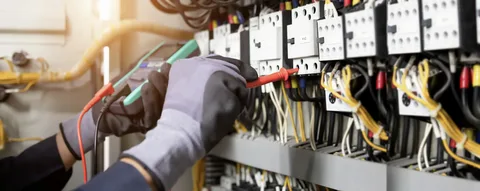
Electrical systems play a vital role in the safety, comfort, and daily operation of residential and commercial properties. From lighting and outlets to circuit breakers and wiring, every component must work correctly to support modern electrical needs. Property owners in Hartford County, CT, and Woodbridge, CT, can benefit from understanding how electrical systems work and when they need professional attention. Reliable planning also helps prevent common problems and supports long-term performance.
D-coreConstruction recognizes the importance of properly planned electrical work for properties with different layouts, uses, and power requirements. A well-maintained system can reduce avoidable disruptions, improve convenience, and support the safe operation of household and business equipment. However, electrical concerns should never be ignored, especially when they involve burning odors, repeated breaker trips, or damaged wiring.
Choosing reliable electrical solutions starts with understanding the condition of your existing system and identifying your property’s needs. Furthermore, knowing when to schedule an inspection or repair can help you address small concerns before they become more serious. With informed decisions and qualified professionals, property owners can maintain dependable electrical systems while planning for future improvements.
Understanding Electrical Systems in Residential and Commercial Properties
Electrical systems distribute power throughout a building to support lighting, appliances, heating equipment, computers, and other essential devices. Each component must work with the others to provide dependable performance. Therefore, understanding the basic parts of a system helps property owners recognize potential problems and make informed maintenance decisions.
Essential Components That Support Everyday Power Needs
A typical property includes a main electrical panel, circuit breakers, wiring, outlets, switches, and lighting fixtures. Each component has a specific purpose. For example, circuit breakers help protect circuits by interrupting power when certain overloads or faults occur.
However, older properties may have outdated components that cannot comfortably support current electrical demands. Adding new appliances, office equipment, or modern lighting can increase the load on existing circuits. Consequently, property owners should consider an evaluation before making major electrical upgrades.
Here are several components worth understanding:
- Electrical panels: Distribute power to individual circuits throughout the property.
- Circuit breakers: Help protect circuits against overloads and certain electrical faults.
- Wiring: Carries electricity between the panel, outlets, switches, and equipment.
- Outlets and switches: Provide convenient control and access to electrical power.
- Lighting systems: Support visibility, comfort, and everyday activities.
Furthermore, properly installed components can help reduce unnecessary interruptions. Property owners should avoid opening electrical panels or attempting repairs without the appropriate training.
In Hartford County, CT, and Woodbridge, CT, building age, renovation history, and equipment requirements can affect electrical needs. A professional assessment can identify potential concerns and help determine whether repairs, upgrades, or routine inspections are appropriate.
Planning Reliable Electrical Solutions for Your Property
Every building has different power requirements. A small home may need additional outlets and updated lighting, while a commercial property may require dedicated circuits for specialized equipment. Therefore, planning should begin with a clear understanding of how occupants use the space.
Why Reliable Electrical Planning Matters
Dependable electrical planning helps property owners identify practical improvements without overlooking safety or future needs. A qualified professional can assess the existing system, review the proposed work, and determine whether the available capacity can support new equipment.
Moreover, planning before a renovation can reduce the need for disruptive changes later. For example, homeowners can discuss outlet placement, lighting locations, and appliance requirements before finalizing a kitchen layout. Similarly, businesses can plan power access around workstations and essential equipment.
Consider these five practical planning steps:
- Assess current demand: Review the equipment and appliances already using electricity.
- Identify future needs: Account for planned renovations, additional equipment, or new work areas.
- Review circuit capacity: Determine whether existing circuits can support the intended load.
- Plan outlet locations: Place outlets where people can use equipment safely and conveniently.
- Confirm applicable codes: Ensure the proposed work meets relevant local requirements.
Additionally, property owners should request a clear explanation of the proposed work, expected costs, and any necessary permits. Requirements can vary by project and jurisdiction, so confirm the details before work begins.
In Hartford County, CT, careful planning can help residential and commercial property owners make practical decisions. Meanwhile, property owners in Woodbridge, CT, can use the same approach to prepare for renovations, equipment upgrades, or changes in how they use their buildings.
Installation, Repairs, and Preventive Maintenance
Electrical projects generally involve three areas: installing new components, repairing existing problems, and maintaining systems to support dependable operation. Each serves a different purpose. However, the right approach depends on the property’s condition, the nature of the issue, and the work required.
Choosing the Right Service for Your Electrical Needs
Professional electrical installation service supports new fixtures, outlets, circuits, and other components. Correct installation helps ensure that equipment matches the intended application and that the work follows applicable safety requirements.
Meanwhile, address problems such as malfunctioning outlets, damaged wiring, or recurring circuit breaker trips. These symptoms may have different causes, so proper diagnosis matters. Replacing a component without identifying the underlying issue may not resolve the problem.
Regular electrical maintenance helps identify wear, loose connections, damaged components, and other concerns before they lead to larger disruptions. However, maintenance does not eliminate every possible electrical fault.
Five practical considerations can help property owners choose an appropriate service:
- New construction: Plan the electrical layout before walls and ceilings are finished.
- Renovations: Review wiring and circuit capacity before adding equipment.
- Recurring faults: Arrange professional diagnosis rather than repeatedly resetting breakers.
- Aging components: Ask whether inspection or replacement is appropriate.
- Routine care: Follow a maintenance schedule suited to the property’s equipment and use.
Furthermore, clear communication with a qualified professional helps establish the work’s scope. Ask which components need attention, whether permits are required, and how the completed work will be checked.
Recognizing Warning Signs and Addressing Electrical Hazards
Electrical problems can begin with small changes that are easy to overlook. A light may flicker, an outlet may stop working, or a breaker may trip more frequently than usual. Although these symptoms do not always indicate a major fault, they deserve attention when they persist or recur.
Common Warning Signs Property Owners Should Know
Burning odors, sparks, buzzing sounds, discolored outlets, and unusually warm electrical components can signal potential hazards. Therefore, property owners should avoid using affected equipment until a qualified professional can assess the situation.
Five warning signs deserve particular attention:
- Repeated breaker trips: These may indicate an overloaded circuit or another electrical fault.
- Flickering lights: Loose connections, circuit issues, or other faults may cause inconsistent lighting.
- Burning smells: Stop using the affected equipment and seek professional assistance.
- Damaged outlets: Cracks, discoloration, or visible damage can create safety concerns.
- Buzzing sounds: Unusual sounds from switches, outlets, or panels require investigation.
Additionally, avoid overloading outlets with multiple high-power devices. Use extension cords only as appropriate for temporary needs, and never run damaged cords or place them under rugs.
If you notice smoke, active sparking, or signs of an electrical fire, keep away from the affected area. Leave the building if necessary and contact emergency services. Do not touch damaged equipment or attempt to investigate an energized panel.
For property owners in Hartford County, CT, and Woodbridge, CT, responding promptly can help limit risks and prevent further damage. However, only a qualified professional can determine the underlying cause and recommend a suitable repair.
Improving Energy Efficiency and Supporting Long-Term Performance
An efficient electrical system helps property owners manage energy use while maintaining comfortable and functional spaces. Although electrical upgrades cannot eliminate every source of energy waste, thoughtful improvements can reduce unnecessary consumption and support better everyday performance.
Practical Ways to Improve Electrical Efficiency
Lighting is often a useful starting point. Replacing suitable older bulbs with LED alternatives can reduce lighting energy use. electrical repair services in Woodbridge, CT Likewise, occupancy sensors and timers can help control lighting in spaces that do not need continuous illumination.
Five practical improvements can help support efficiency:
- Upgrade lighting: Choose suitable energy-efficient fixtures and bulbs.
- Review equipment: Replace inefficient equipment when the cost and benefits make sense.
- Control unnecessary use: Turn off lighting and devices when they are not needed.
- Evaluate circuit requirements: Ask a professional whether the current setup supports equipment efficiently.
- Plan upgrades carefully: Consider long-term needs before investing in new electrical equipment.
Furthermore, smart controls may improve convenience by allowing occupants to schedule lighting or manage compatible devices. However, check equipment compatibility before purchasing new controls.
Property owners should also understand that an energy-efficient product does not automatically make an entire electrical system safe. Damaged wiring, overloaded circuits, and faulty components still require appropriate attention.
In addition, consider the property’s future needs when planning upgrades. Electric vehicle charging, new appliances, office equipment, and heating or cooling changes may affect electrical demand. A professional assessment can help determine whether the existing panel and circuits can support these additions.
Overall, practical improvements and regular inspections can support dependable performance. The best approach balances energy savings, safety, equipment requirements, and the property’s long-term plans.
Maintaining Electrical Safety Through Professional Guidance
Electrical safety depends on suitable equipment, correct installation, responsible use, and timely attention to developing problems. Property owners can perform simple visual checks, but they should leave wiring repairs, panel work, and other hazardous tasks to qualified professionals.
Building a Practical Electrical Safety Routine
A consistent safety routine helps property owners recognize changes and respond appropriately. For example, checking visible cords for damage and keeping electrical equipment away from water can reduce everyday risks. However, visual checks cannot reveal every problem inside walls or electrical panels.
Five useful safety practices include:
- Inspect visible cords: Replace damaged products rather than continuing to use them.
- Keep areas dry: Keep electrical equipment away from water and damp conditions unless specifically designed for those environments.
- Avoid overloaded outlets: Follow equipment instructions and use properly rated devices.
- Test safety devices: Follow manufacturer guidance for testing applicable ground-fault circuit interrupters and smoke alarms.
- Schedule professional evaluations: Seek an assessment when the property has recurring electrical issues or planned upgrades.
Additionally, keep records of completed work, equipment replacements, and relevant inspection documents. These records can help future professionals understand the system’s history.
Property owners should also confirm that contractors have the qualifications, insurance, and permits required for the specific project. Requirements vary by location and type of work, so check with the relevant local authority before starting a major installation or renovation.
For older properties, ask whether the electrical system has been evaluated for present-day needs. Meanwhile, owners planning additions or commercial equipment upgrades should discuss capacity and code compliance before purchasing equipment.
D-coreConstruction understands the value of informed property decisions. Clear project communication, appropriate professional guidance, and consistent safety practices can help property owners manage electrical concerns more effectively.
Conclusion
Reliable electrical systems support the daily needs of homes and commercial properties. From lighting and outlets to circuit protection and modern equipment, each component contributes to the property’s overall functionality. Therefore, property owners should pay attention to warning signs, plan upgrades carefully, and address recurring problems instead of relying on temporary fixes.
Professional assessments can help identify issues that are not visible during everyday use. Furthermore, planned improvements can support changing power requirements, improve convenience, and reduce avoidable disruptions. However, every project requires an approach suited to the building, the equipment involved, and applicable safety requirements.
Property owners seeking reliable Electrical Installation in Hartford County, CT should consider the property’s existing wiring, electrical capacity, intended use, and future requirements before starting a project. Similarly, homeowners and business owners in Woodbridge, CT, can benefit from reviewing their systems before renovations or major equipment additions.
Regular inspections, appropriate repairs, and informed equipment choices all contribute to better long-term management. Additionally, working with qualified professionals helps ensure that electrical concerns receive proper attention and that installation work follows applicable codes.
Ultimately, electrical safety is an ongoing responsibility rather than a one-time task. By understanding the system, recognizing warning signs, and arranging professional assistance when needed, property owners can make informed decisions that support safety, convenience, and dependable performance for years to come.
FAQs
What electrical services might a residential property need?
Residential properties may need lighting installation, outlet replacement, wiring repairs, circuit upgrades, and inspections. The right service depends on the property’s condition and requirements.
When should I arrange an electrical inspection?
Arrange an inspection when you notice recurring breaker trips, damaged outlets, flickering lights, or other unusual symptoms. An assessment may also be appropriate before major renovations.
Why do circuit breakers keep tripping?
Breakers may trip because of overloaded circuits, short circuits, ground faults, or other electrical problems. A qualified professional can identify the cause and recommend an appropriate solution.
Can electrical upgrades improve energy efficiency?
Yes. Suitable LED lighting, smart controls, and efficient equipment can reduce energy use. However, savings depend on existing equipment, usage patterns, and installation costs.
Should I attempt electrical repairs myself?
Avoid working on wiring, electrical panels, or energized components without appropriate qualifications. Contact a qualified professional to diagnose faults and complete repairs safely.